Get Carpet Patching
Local contractors offer carpet patching services to repair tears, stains, or damage, restoring your flooring for a seamless, fresh appearance.
Carpet patching services are a practical solution for property owners seeking to restore or maintain the appearance of their flooring. Whether dealing with small tears, stains, or areas of wear, patching can help extend the life of existing carpet materials without the need for complete replacement. If you’re planning a home or commercial space update, exploring local contractors who specialize in carpet patching can provide options tailored to your specific needs.
For property owners in the area, comparing local service providers ensures access to experienced professionals equipped to handle various carpet repair projects. By reviewing available options, you can find the right fit for your property’s requirements, helping to preserve the overall look and functionality of your flooring. Keep reading to learn more about how local contractors can assist with your carpet patching needs.
- Carpet patching - needed when small areas of carpet are damaged or stained beyond repair.
- Repairing tears or holes - required when carpets develop rips or punctures that compromise appearance or safety.
- Fixing pet damage - necessary for addressing scratches, bites, or other harm caused by pets.
- Replacing sections after flooding or water damage - essential when water has caused extensive staining or mold growth.
- Covering burns or scorch marks - needed to restore the look of carpets affected by heat or fire incidents.
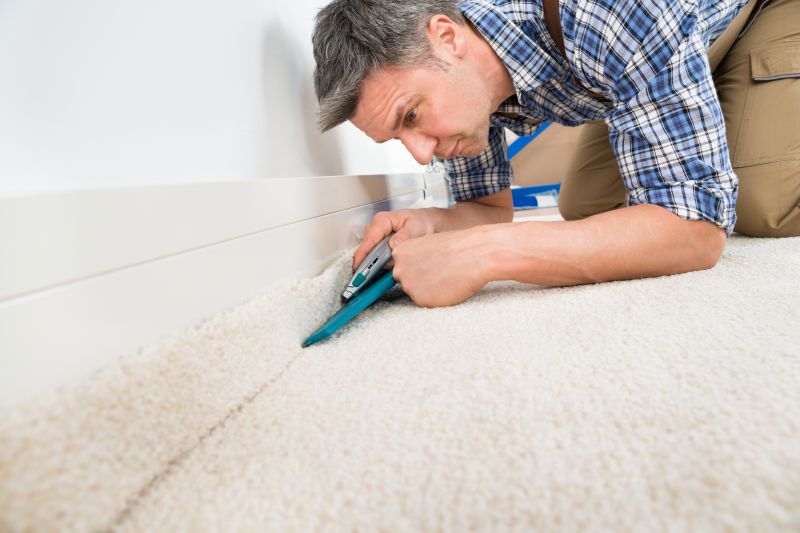
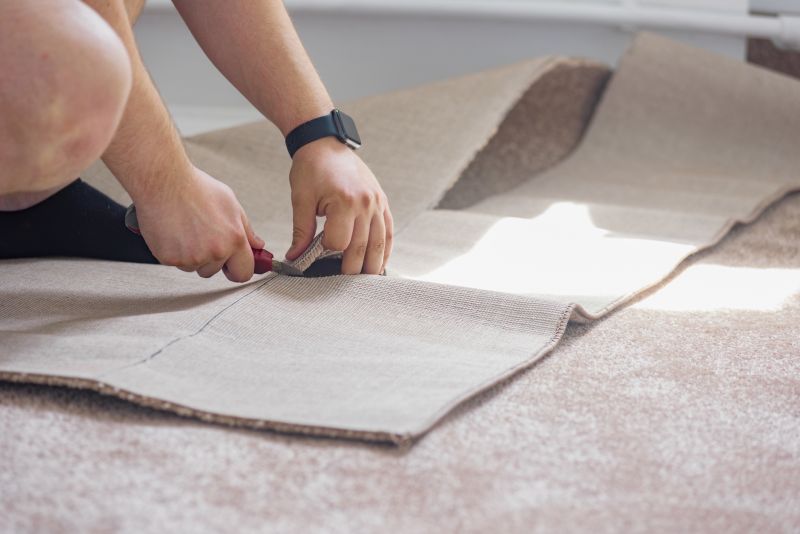
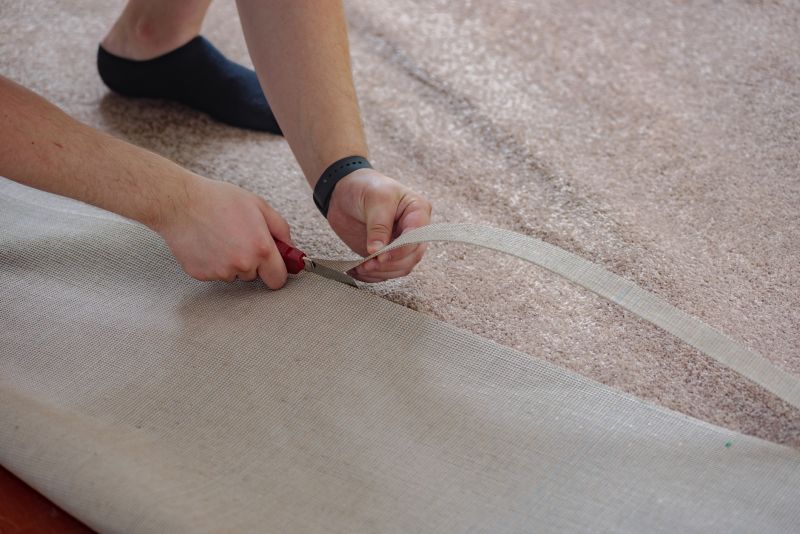
Carpet patching services involve repairing damaged or stained areas of a carpet by replacing small sections with new, matching material. This process typically requires carefully cutting out the affected portion, preparing a patch that matches the existing carpet’s color and texture, and seamlessly installing it to blend with the surrounding area. Skilled service providers use precise techniques to ensure the repair is as unobtrusive as possible, restoring the appearance and comfort of the carpet without the need for full replacement.
This service helps address common problems such as burns, tears, stains, or areas affected by spills that cannot be cleaned effectively. Carpet patching is a practical solution for extending the life of a carpet and maintaining a clean, uniform look in a home or commercial space. It is especially useful for repairing high-traffic areas or spots where damage is localized, preventing the need for costly full-room replacements and minimizing disruption.
Property types that often utilize carpet patching include residential homes, apartments, condominiums, and small commercial spaces like offices or retail stores. Homeowners frequently seek this service to repair pet damage, accidental spills, or wear and tear in specific areas. It’s also a common choice for landlords or property managers who need to quickly restore rental units between tenants without undertaking large-scale carpet replacements.
When considering carpet patching, it’s important to work with experienced local contractors who understand how to match materials and perform seamless repairs. This service is ideal for those who want to maintain the appearance of their carpets while addressing specific issues efficiently. Contacting trusted service providers can help identify the best solution for repairing damaged carpets and extending their usability in a variety of property types.
The overview below groups typical Carpet Patching projects into broad ranges so you can see how smaller, mid-sized, and larger jobs often compare in your area.
In many markets, a large share of routine jobs stays in the lower and middle ranges, while only a smaller percentage of projects moves into the highest bands when the work is more complex or site conditions are harder than average.
Smaller Repairs - Typically, minor patching jobs for small areas or spots cost between $250 and $600. Many routine repairs fall within this range, depending on the size and complexity of the patch required.
Moderate Repairs - Larger patches or repairs involving multiple areas can range from $600 to $1,200. These projects are common for homeowners addressing multiple damaged spots or moderate-sized sections.
Partial Carpet Replacements - Replacing a larger section of carpet usually costs between $1,200 and $3,000. Many projects in this tier involve replacing worn-out areas without full carpet removal.
Full Carpet Replacement - Complete carpet replacements can range from $2,500 to over $5,000 for larger, more complex projects. While fewer projects reach this level, local contractors can handle jobs of this size and scope.
Actual totals will depend on details like access to the work area, the scope of the project, and the materials selected, so use these as general starting points rather than exact figures.
Flooring Repair - local contractors skilled in patching and repairing damaged flooring surfaces, including carpet, to restore a seamless appearance.
Carpet Stretching - professionals who can tighten loose carpets and prepare surfaces for patching or spot repairs.
Carpet Removal and Replacement - service providers experienced in removing sections of carpet and installing new patches to match existing flooring.
Subfloor Repair - specialists who repair or replace damaged subfloor areas to ensure proper support for carpet patches.
Vinyl Floor Patching - local pros adept at repairing or replacing sections of vinyl flooring, using similar skills and planning as carpet patching.
Flooring Installation - contractors capable of installing new carpet sections and ensuring seamless integration with existing flooring.
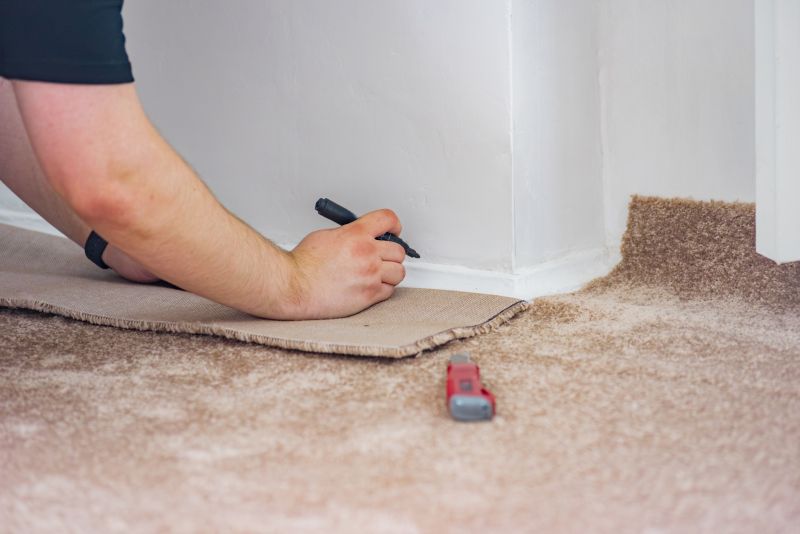
When comparing service providers for carpet patching, it’s important to consider their experience with similar projects. Homeowners should inquire about how many carpet patching jobs they have completed and whether they have worked with the specific type of carpet involved. An experienced local contractor will have a better understanding of different materials and techniques, which can contribute to a seamless repair that blends well with the existing flooring. This familiarity can help ensure the patch is durable and visually consistent, reducing the likelihood of needing additional work later.
Clear, written expectations are essential when choosing a carpet patching professional. Homeowners should seek detailed descriptions of the scope of work, including the process, materials used, and any guarantees or warranties offered. Having this information in writing helps prevent misunderstandings and provides a reference point throughout the project. Reputable local contractors will be transparent about what the job entails and will be willing to answer questions to clarify the process, fostering a sense of confidence and trust in their services.
Good communication and reputable references are key factors to consider when selecting a service provider. Homeowners are encouraged to ask for references from previous clients who had similar carpet patching work done. Speaking with past customers can provide insights into the contractor’s professionalism, reliability, and quality of work. Additionally, responsive and clear communication from the contractor-whether via email or in-person-can make the process smoother and more predictable. While the site helps connect homeowners with local options, it’s the responsibility of the homeowner to evaluate these factors to find a trusted, capable professional for the job.
Property owners use Carpet Patching services for practical projects around their homes and businesses. This guide focuses on everyday jobs and straightforward project options.
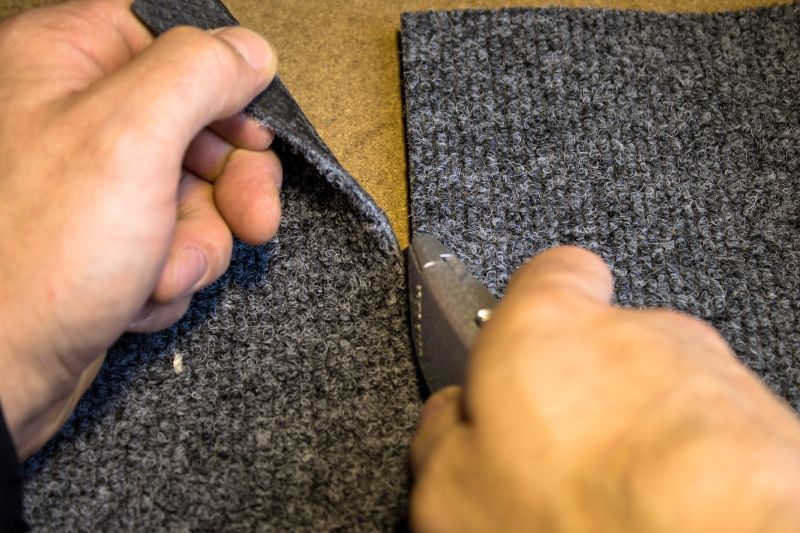

Carpet patching services are often needed for property owners dealing with small tears, burns, or stains that affect the appearance of their flooring. These issues can arise from everyday accidents, such as furniture scratches, pet damage, or spills that can’t be fully removed. Local contractors who specialize in carpet repair can quickly and effectively address these common problems, helping to restore the look and feel of the affected area without the need for a full carpet replacement.
In addition, property owners might seek carpet patching when preparing a space for new tenants or after recent renovations. It’s a practical solution for seamlessly blending in new sections of carpet with existing flooring, especially when only a small area needs attention. Local service providers experienced in this type of work can assist with matching textures and colors to ensure the repair integrates smoothly with the surrounding carpet.
What is carpet patching? Carpet patching involves replacing a damaged or stained section of a carpet with a matching piece to restore its appearance.
How do local contractors match carpet textures and colors? Experienced service providers assess the existing carpet and select or blend materials to ensure a seamless match.
Can carpet patching fix large damaged areas? Carpet patching is typically suited for small to moderate damage; larger areas may require different repair methods.
What types of carpet materials can be patched? Local service providers can work with various carpet types, including plush, Berber, and loop pile carpets.
Is carpet patching a permanent solution? When performed correctly by skilled contractors, carpet patching can provide a durable and visually consistent repair.
Repairing Small Carpet Damage - Local contractors can quickly patch minor tears or holes to restore the appearance of a room.
Covering Stains or Wear - Service providers can replace or patch sections of carpet affected by stains or heavy foot traffic.
Preparing for New Flooring Installations - Carpet patching can be used to seamlessly blend areas before installing new flooring.
Fixing Water or Fire Damage - Local pros can repair sections of carpet affected by water or smoke, helping to improve safety and appearance.
If you are thinking about Carpet Patching for a property, this guide is meant to help you understand the work, the typical project types, and how different options might fit your plans.
When you are ready, you can use the quote form on this page to share a few details about your project. From there, local pros can review the basics and respond with options that match what you have in mind.